
- 📧
-
📍
408-A Near Jain Bhawan,
Kapurthala Road, Jalandhar
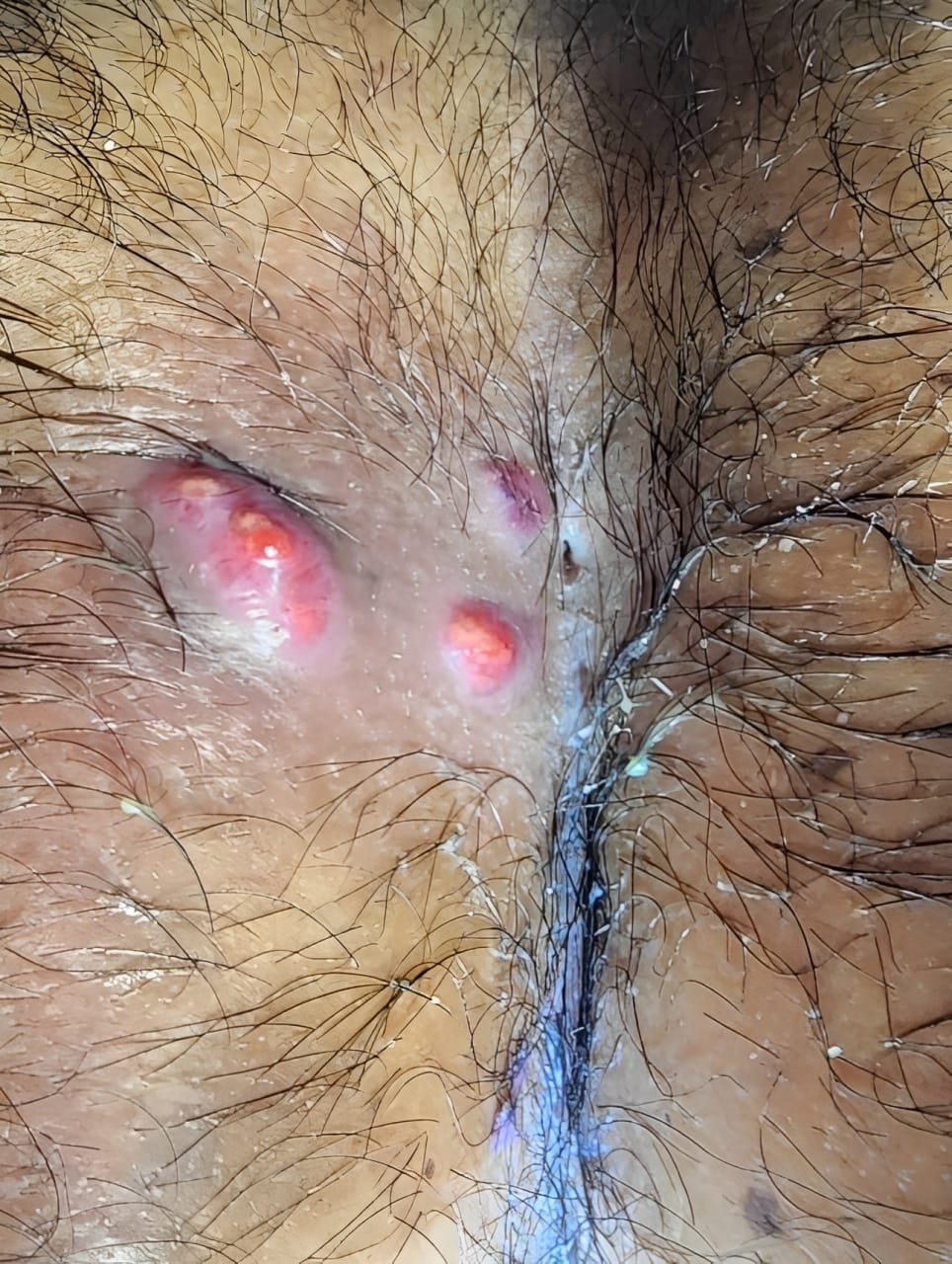
You might be dealing with something called a pilonidal sinus. Do not worry—modern treatments are much simpler and more comfortable than you think!
A pilonidal sinus, also known as jeep rider disease, is a small cavity or tract under the skin, usually near the tailbone (in the cleft between your buttocks). It is often caused when hair, sweat, and dirt get trapped under the skin, leading to infection and a tunnel or abscess formation. It mostly affects young adults and people who sit for long periods—like students, IT professionals, and drivers. It was also known as jeep rider disease.
Years of Excellence
Lives Transformed
Laser Surgeries
Happy Patients
We’re here to help you. Reach out to us for consultations or queries.
Experts now believe pilonidal sinus is an acquired condition—not something you are born with. Hair and sweat can get trapped inside the skin due to friction, sitting for long hours, poor hygiene, or even a deep groove between your buttocks.
Certain factors increase your risk:
Earlier treatments involved big surgeries that needed weeks of recovery. However, now, minimally invasive laser treatments have changed the game!
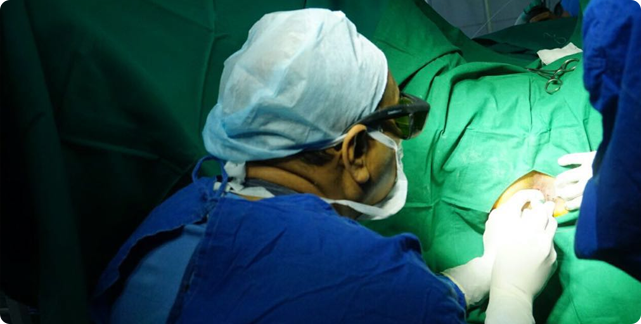
Our center uses an advanced technique called Video-Assisted Laser Ablation of Pilonidal Sinus (VALAPS).
No big cuts, no major stitches, and almost no scarring!
You will be guided on:
Most patients heal beautifully within a few weeks!
Recurrences can happen if:
However, with laser treatments and good hygiene, the risk is very low compared to older surgeries.
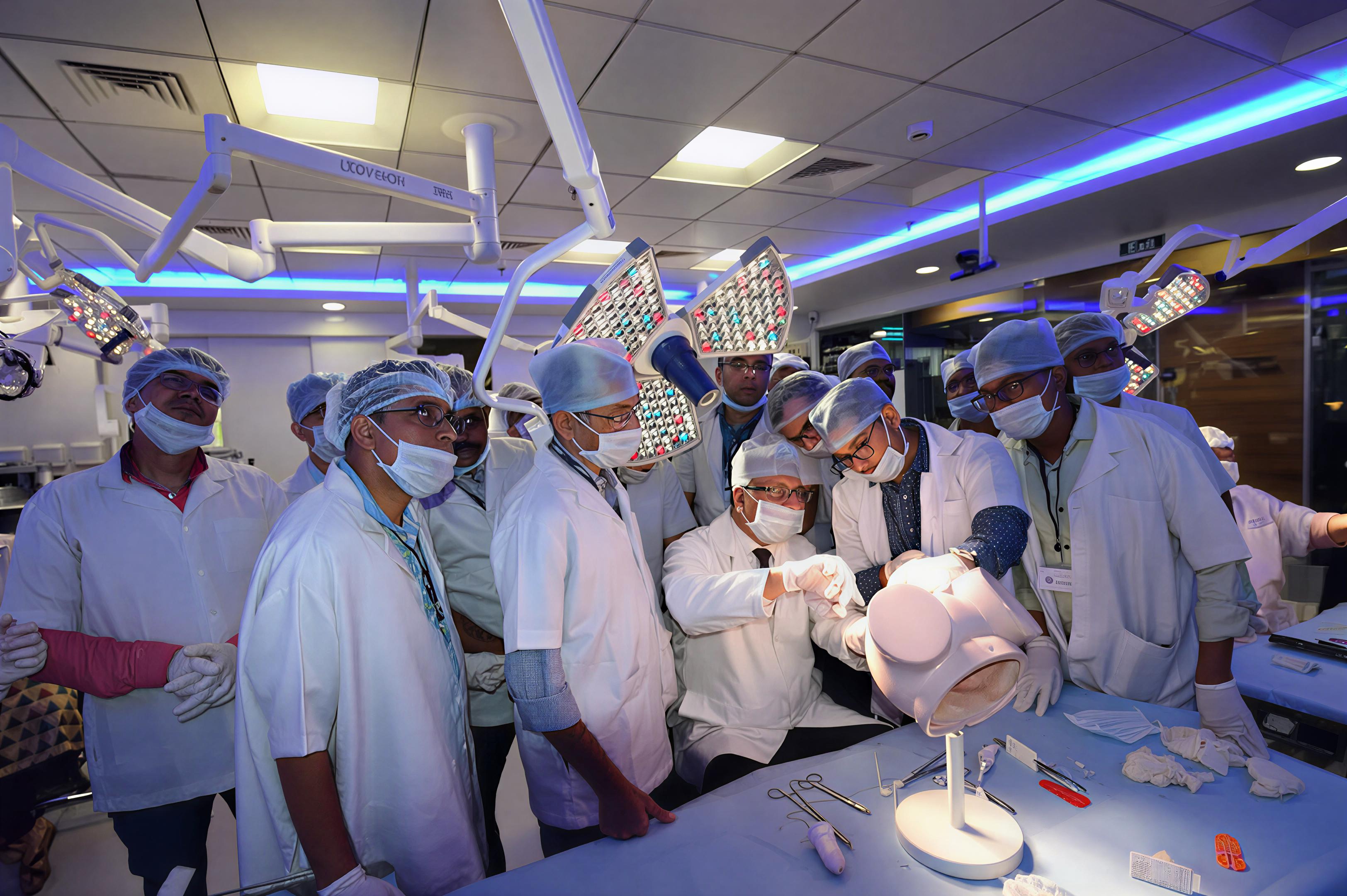
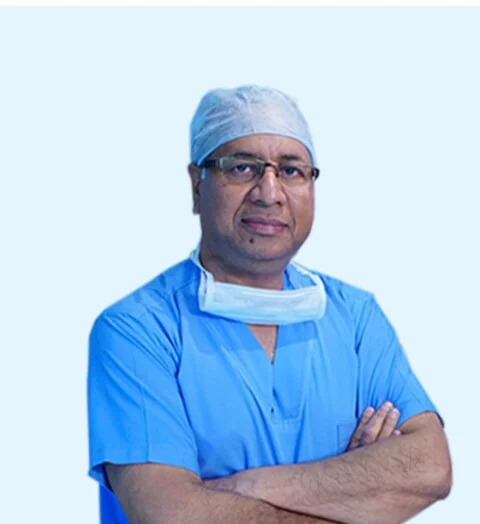
Dr. Kamal Gupta is a pioneer in laser proctology with over 34 years of surgical experience and a reputation for delivering minimally invasive, patient-friendly treatments. He was among the first surgeons in India to adopt and master advanced laser techniques like Video-Assisted Laser Ablation of Pilonidal sinus (VALAPS), offering faster recovery, minimal pain, and excellent long-term results. Thousands of patients trust Dr. Gupta for his precise diagnosis, personalized care, and commitment to safety. At Karan Hospital, Jalandhar, you are treated with world-class technology, personal attention, and a focus on getting you back to life faster and healthier. Choose Dr. Kamal Gupta — Experience you can trust. Care you can feel. Results you can see.
Ans: A pilonidal sinus is a small cavity or tunnel under the skin near the tailbone, usually caused by trapped hair, dirt, and infection. It often leads to pain, swelling, or discharge.
Ans:It mainly happens when hair penetrates the skin due to friction, sweating, prolonged sitting, or poor hygiene.
Ans: Very rarely. Most cases need proper treatment to avoid repeated infections and complications.
Ans: Yes! Laser surgery, specifically Video-Assisted Laser Ablation of Pilonidal Sinus (VALAPS), is a modern and minimally invasive method that offers faster recovery, less pain, and no big scars.
Ans:Yes, Laser combined with ProctoCor (a special coring device) can remove the sinus tract more precisely, further improving results and lowering recurrence.
Ans:It is a technique where a small camera is used to clean the sinus tract under direct vision, and a special laser fiber seals the tract internally—without large cuts or stitches.
Ans: Not always daily. You will require regular, simple dressings 2–3 times a week or as your doctor advises. Proper wound care ensures faster Healing.
Ans: Laser surgery has a very low risk of recurrence compared to traditional surgery. Following good hygiene, regular hair removal, and doctor's instructions further reduce the risk.
Ans: Most patients heal beautifully within 3 to 4 weeks. Sometimes, Healing can be slightly delayed — but with regular doctor visits and good care, the wound heals without major issues.
Ans: In most cases, just one laser surgery is enough. In rare, complicated cases, a second sitting may be needed.
Ans: Because:
Ans: Absolutely.
Ans: Absolutely.
Ans: If you notice:
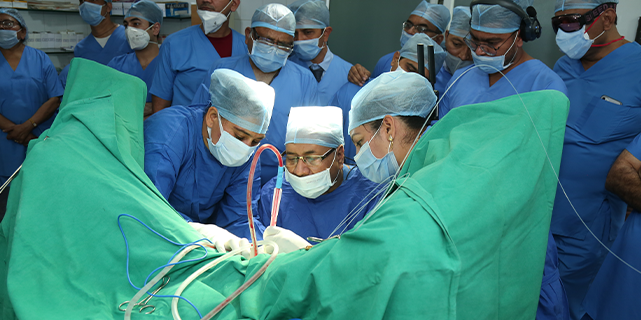
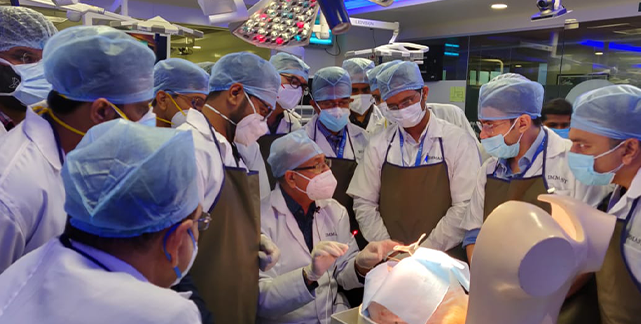
For training workshops or distribution inquiries
Karan Hospital, Jalandhar
 Google Verified Review
I was referred to Dr Kamal Gupta's Karan Hospital as was suffering from fistula and it had to be operated to get rid of it. Dr Gupta and team did a great job I was operated on March 31st and had couple of follow up visits and I am ready to go bac...
 Google Verified Review
I had fistula in ano since 2,3 years. I specially came from Canada for this treatment. Dr Kamal treated me very well and explained everything to me very clearly. They took me for surgery on January and now after 3 months I'm fully cured. I recommend...
Google Verified Review
I had suffered from fistula in ano since one year. I had visited so many hospital but one of my known recommend me to visited Karan hospital. I visited their and now I'm fully satisfied after 3 months of treatment. I'm very thankful to Dr Kamal Gupta an....
Google Verified Review
I had fissure in ano since very long time so I visited karan hospital for my treatment. Dr kamal gupta is very good surgeon and his team also very understanding towards patient. So i recommend everyone to visit here and get yourself treated.
Google Verified Review
For the last 5 Years I had been suffering from pain and bleeding after defecation. I was afraid of surgery but somebody told me about the LASER treatment that Karan Hospital was offering. I am so glad to come here and now I am fully cured. Experience was excellent. Totally satisfied.
Google Verified Review
I got very good treatment for my piles with the LASER technique. No cuts, no stitches, my treatment went very smoothly.
Google Verified Review
I would like to thank Dr. Kamal Gupta. It was wonderful and unique experience. The charges were reasonable in comparison to the satisfaction and kind of service I received during my treatment.